
Articles about Older adults
[:en]The Importance of Designing for the Elderly in a Post-COVID World[:]

[:en]One major impact of COVID-19 has been the rapidly rising number of older adults using the internet to work, shop, engage in social activities, and stay connected to family and friends. Many in this demographic, while they have real-world knowledge and experiences, may have challenges using online technologies and mobile devices. Hossein Raspberry provides insights on demystifying inclusive design and driving accessibility design in technology.[:]
Read more[:en]Activism and COVID-19: Older Southeast Asian Women Embracing Technology[:zh]行动主义和新冠肺炎 (COVID-19):东南亚老年女性采用科技[:KO]적극 행동주의와 COVID-19: 기술을 이용하는 동남아시아의 중장년 여성들[:pt]O ativismo e a COVID-19: mulheres mais velhas do sudeste da Ásia adotam tecnologia[:ja]アクティビズムとCOVID-19:テクノロジーを積極利用する東南アジアの年配女性たち[:es]Activismo y COVID-19: las mujeres mayores del Sudeste Asiático adoptan la tecnología[:]

[:en]A study describing how older women in Southeast Asia have used technology to spread positivity and creativity during COVID-19.[:pt]A study describing how older women in Southeast Asia have used technology to spread positivity and creativity during COVID-19.[:]
Read more[:en]Online Banking for Everyone: Designing for the Aging Brain[:zh]适合每个人的网上银行:为因年老而衰退的大脑功能而设计[:KO]모든 이를 위한 온라인 뱅킹: 고령자를 위한 디자인[:pt]Serviços bancários on-line para todos: Design para o cérebro em processo de envelhecimento[:ja]万人向けのオンラインバンキング:高齢化する利用者のためのデザイン[:es]Banca en línea para todos: diseñar para personas mayores[:]

[:en]Designing for the aging brain or for those with little computer experience requires strictly defining the website functionality, clear workflows, and minimal page distractions.[:zh]面向因年老而大脑功能衰退者或几乎没有电脑操作经验的人设计网站时,需要严格定义网站功能、明确工作流程并最大限度减少页面干扰。[:KO]고령자나 컴퓨터 이용 능력이 떨어지는 사람들을 고려하는 디자인은 웹사이트 기능과 명료한 작업 흐름을 정확하게 정의해야 하고, 페이지의 목적을 저해하는 요소를 최소화해야 합니다.[:pt]Projetos para o cérebro em processo de envelhecimento ou para aqueles com pouca experiência em computador exigem rigor na definição da funcionalidade do website, fluxos de trabalho claros e distrações mínimas na página. [:ja]高齢者またはコンピューター経験の浅い人々を対象とするデザインには、ウェブサイトの機能の厳密な定義、明確なワークフロー、そして利用者の気を散らすものを極力除いたページのデザインが求められる。[:es]Realizar un diseño para personas mayores o con poca experiencia en informática requiere que se definan estrictamente las funcionalidades del sitio web, flujos de trabajo claros y mínimas distracciones en la página.[:]
Read more[:en]Designing for Vulnerable Users: Illustrations (May) Help Understand Complex Health Websites[:zh]为弱势用户而设计:图示(可能)有助于理解复杂的有关健康的网站[:pt]Projetar para usuários vulneráveis: as ilustrações (podem ajudar) ajudam a compreender complexos websites da área de saúde[:ja]弱者のためのデザイン:イラストで複雑な医療情報サイトをわかりやすく[:es]Diseñar para usuarios vulnerables: Ilustraciones que (pueden) ayudar a entender sitios web complejos sobre salud [:]

[:en]Illustrations have the potential to aid in understanding complex health information, but using images effectively requires testing to tailor them to the needs of a wide variety of users.[:zh]图示有可能会帮助理解复杂的健康信息,但要想有效使用图示手段,需要针对范围广泛的用户人群进行测试和有针对性的设计。[:pt]As ilustrações têm potencial para auxiliar na compreensão de informações complexas sobre saúde, mas o uso de imagens de forma eficaz requer testes para adequá-las às necessidades de uma ampla variedade de usuários.[:ja]イラストレーションには、複雑な医療関連情報の理解を助けてくれる可能性があるが、効果的に利用するためにはテストを実施して幅広いユーザーのニーズに応えられるよう調整する必要がある。[:es]Las ilustraciones tienen el potencial de ayudar a entender información compleja sobre salud, pero usar las imágenes de manera efectiva requiere ajustarlas a las necesidades de un rango amplio de usuarios.[:]
Read moreFuture Proofing Tomorrow’s Technology: UX for an Aging Population未来验证明天的技术:面向老龄人群的用户体验미래기술에 대한 검토: 노인들을 위한 UX Colocando à prova a tecnologia do futuro: Experiência do Usuário para uma população que está envelhecendo将来有望な明日の技術: 老齢人口のためのUXProbando la Tecnología del Futuro: Experiencia de Usuario para una Población que Envejece
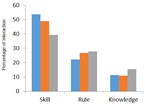 Future Proofing Tomorrow’s Technology: UX for an Aging Population未来验证明天的技术:面向老龄人群的用户体验미래기술에 대한 검토: 노인들을 위한 UX Colocando à prova a tecnologia do futuro: Experiência do Usuário para uma população que está envelhecendo将来有望な明日の技術: 老齢人口のためのUXProbando la Tecnología del Futuro: Experiencia de Usuario para una Población que Envejece "/>
Based on an analysis of current research, the framework presented can be used as a benchmarking or scoping tool in thinking about the design of assistive technologies that particularly consider older people’s needs.基于当前研究的分析来建立了一个框架,在设计辅助技术过程中考虑老年人需求时用作基准或评审工具。다양한 보조기술을 디자인하기 위해서 필요한 노인들의 니즈를 이해하기 위한 벤치마킹 혹은 개략적인 툴로서 , 현재까지의 연구를 분석하여 프레임워크를 만들었다. Uma análise da pesquisa atual foi usada para criar um framework para benchmarking ou uma ferramenta para refletir sobre as necessidades dos idosos para o projeto de tecnologias assistivas .支援技術を設計するにあたり、最新の研究を分析して年配者のニーズを考えるための評価指標、もしくは調査方法の枠組みが作られた。Un análisis de investigaciones actuales fue usado para crear un marco de referencia para hacer análisis de mercado y de competidores al pensar sobre las necesidades de adultos mayores en el diseño de tecnologías asistidas.
Read moreOnline Healthcare: Designing Senior-Friendly Privacy在线健康保健:设计易于老年人使用的隐私机制온라인 의료서비스: 고령자에 적합한 생활 설계Serviços de saúde on-line: Projeto de privacidade otimizado para idososオンライン医療:高齢者に優しいプライバシーのデザインAtención médica en línea: Diseño de una privacidad fácil de usar para personas mayores
 Online Healthcare: Designing Senior-Friendly Privacy在线健康保健:设计易于老年人使用的隐私机制온라인 의료서비스: 고령자에 적합한 생활 설계Serviços de saúde on-line: Projeto de privacidade otimizado para idososオンライン医療:高齢者に優しいプライバシーのデザインAtención médica en línea: Diseño de una privacidad fácil de usar para personas mayores"/>
Challenges in creating an online service experience at Philips Home Monitoring for senior users included privacy, user experience, legacy system constraints, and communication.在针对老年用户的飞利浦家庭监控项目中,为了营造在线服务体验,需要面临各种挑战,包括隐私、用户体验、旧系统局限和交流。고령 사용자를 위한 필립스 홈 모니터링(Philips Home Monitoring)에서 온라인 서비스 경험 창출의 어려움에는 프라이버시, 사용자 경험, 기존 시스템의 제약 및 의사소통의 문제가 있었습니다.Os desafios durante a criação de uma experiência de serviços on-line no Philips Home Monitoring para usuários idosos foram privacidade, experiência do usuário, limitações de sistemas herdados e comunicação.フィリップス・ホーム・モニタリングによる高齢者ユーザー向けオンラインサービス体験創出の課題には、プライバシー、ユーザーエクスペリエンス、従来のシステムの制約、およびコミュニケーションが含まれていた。Crear una experiencia de servicio en línea para personas mayores en Philips Home Monitoring incluía desafíos en privacidad, experiencia de usuario, limitaciones de sistemas preexistentes y comunicación.
Read moreMarking Your Ballot on an iPad: Challenges for Older Adults在 iPad 上投票:老年人面临的挑战아이패드에서 각자의 투표 표기하기: 노인들의 어려움Colocar seu voto em um iPad: Desafios para idososiPadで投票用紙に印を付ける:高齢者の課題Votar desde un iPad: Desafíos para personas mayores
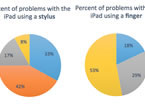 Marking Your Ballot on an iPad: Challenges for Older Adults在 iPad 上投票:老年人面临的挑战아이패드에서 각자의 투표 표기하기: 노인들의 어려움Colocar seu voto em um iPad: Desafios para idososiPadで投票用紙に印を付ける:高齢者の課題Votar desde un iPad: Desafíos para personas mayores"/>
Can older adults use iPads for critical tasks like voting? Residents in long-term care facilities are willing to try, but have trouble with touch interaction. 老年人可以使用 iPad 来完成投票等关键任务吗?长期护理机构的居住者愿意尝试,但是他们在触屏操作方面遇到困难。 노인들이 투표와 같은 중대한 일에 아이패드를 사용할 수 있을까요? 장기요양시설에 있는 사람들은 시도하려고는 하지만 터치 방식 상호작용에 어려움이 있습니다. Os idosos podem usar iPad para tarefas essenciais como votar? Os moradores de casas de repouso estão dispostos a tentar, porém enfrentam problemas com a interação de toque. 高齢者は、投票などの重要な事柄にiPadを使用することができるだろうか。長期介護施設に入居している高齢者は、利用には前向きだがタッチ式のインタラクションには困難があった。 ¿Pueden las personas mayores usar iPads para tareas críticas como votar? Los residentes en centros de cuidado a largo plazo están dispuestos a intentarlo, pero tienen problemas con la interacción táctil.
Read moreNever Too Old: Incorporating Digital Technologies into the Lives of Older Persons老年人如何将数字技术融入他们的生活:案例研究高齢層がどのようにデジタルテクノロジーを生活に取り入れているか:ケーススタディ
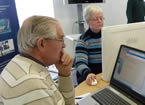 Never Too Old: Incorporating Digital Technologies into the Lives of Older Persons老年人如何将数字技术融入他们的生活:案例研究高齢層がどのようにデジタルテクノロジーを生活に取り入れているか:ケーススタディ"/>
We need to learn how older people use technology to determine when and how to implement accessibility features rather than always seeking a “special” solution. 尽管许多老年人不会主动使用信息通信技术 (ICT),但有些老年人已经将此融入他们的生活中多くの高齢者が情報通信技術(Information and Communication Technologies:ICT)を使うことにさほど興味がない一方で、それをすでに生活の一部としている人たちもいる。
Read moreSocial Network Sites for Older Adults: Online User Experience for Korean Seniors
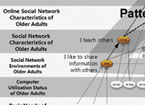 Social Network Sites for Older Adults: Online User Experience for Korean Seniors"/>
Designing social networking systems which meet the needs of current seniors will enable them to use these systems to improve their quality of life.
Read moreWhat Do We Know about Older Users? How Old is Old?
 What Do We Know about Older Users? How Old is Old?"/>
Usability professionals have many of the same preconceptions about aging and technology use as those exhibited by people in other professions.
Read moreThe Aging Brain: At the Crossroads of Attention and Memory
 The Aging Brain: At the Crossroads of Attention and Memory "/>
Although slowed with aging, difficulties in suppressing irrelevant information, affecting attention span and memory retention, are found in all age groups.
Read moreDesign for the Aging Brain (Commentary of Dr. Gazzaley’s The Aging Brain)
 Design for the Aging Brain (Commentary of Dr. Gazzaley’s The Aging Brain) "/>
We need to understand the mechanisms that underlie the physical and mental changes of aging to design products that interface well with older adults' cognitive abilities.
Read more[:en]Conducting Field Studies with Older Adults Lessons for Recruiting and Testing Older Users [:]

[:en]Field testing and field research work especially well with older adults, if you are sensitive to their needs in both the recruiting and data collection process. [:]
Read moreDesigning Spaces for Dementia: An Interview with Terry Carson
 Designing Spaces for Dementia: An Interview with Terry Carson "/>
An interview with Terry Carson, the owner of residential facilities for people with dementia and Alzheimer's disease.
Read moreGeographic Orientation & Disorientation: Getting Lost and Getting Found in Real and Information Spaces
To reduce problems of navigational disorientation, incorporate different sets of orientation factors and accommodate the needs and abilities of all users.
Read moreWeb 2.0 for an Older Population: Exploring the Limits
 Web 2.0 for an Older Population: Exploring the Limits "/>
To enable a rapidly aging population with the connected social experiences that younger Web users experience, find balance between replacing and augmenting offline activity.
Read moreOlder Users Online: WAI Guidelines Address the Web Experiences of Older Users
A review of research into overlaps between the accessibility needs of older users and people with disabilities showed that WCAG 2.0 meets most of the identified requirements of older web users. The article introduces the WAI-AGE project.
Read moreThe View from Here: When is Enough Enough?
As we age, we are constantly compromising, and redefining what we view as living.
Read moreWhat’s News: Helping Seniors Helps Everybody
With the aging of the baby boomers, product developers are realizing that there’s money to be made by making products more user-friendly to older people.
Read moreBook Review: Assisted Loving
 Book Review: Assisted Loving"/>
The book is a consciousness-raiser for family members who are dealing with aging seniors as they enter new phases of their lives.
Read moreEditor’s Note: Platinum Perspectives on Usability and User Experience
The role of seniors have important implications for the policies and focus of attention for our professional organizations and daily life.
Read more