
Articles about Children
[:en]Playful Interfaces: Designing Interactive Experiences for Children[:zh]有趣的界面:为孩子们设计交互式体验[:KO]놀이용 인터페이스: 어린이를 위한 대화형 경험 설계[:pt]Interfaces divertidas: design de experiências interativas para crianças[:ja]遊び心のあるインターフェイス:子供向けインタラクティブ体験のデザイン[:es]Interfaces divertidas: diseño de experiencias interactivas para niños[:]

[:en]Learning how cognitive and physical traits of children affect their interaction with touchscreens helps designers create delightful experiences for all audiences, regardless of age and literacy[:zh]了解儿童的认知和身体特征对他们的触摸屏交互有何影响,能够帮助设计师为所有年龄和文化水平的受众创造出轻松愉快的体验。[:KO]어린이의 인지 및 신체적 특징이 터치스크린을 통한 그들의 상호작용에 어떻게 영향을 미치는지를 이해하면 디자이너가 연령과 문해능력에 상관없이 모든 사용자들에게 즐거운 경험을 만들어내는 데 도움이 됩니다.[:pt]O aprendizado de como os traços cognitivos e físicos das crianças afetam sua interação com telas sensíveis ao toque ajuda os designers a criar experiências encantadoras para todos os públicos, independentemente de idade e grau de alfabetização.[:ja]子供の認知・身体能力の特性が、子供とタッチスクリーンとのインタラクションにどう影響するか――これを学ぶことにより、デザイナーはあらゆる年齢や識字能力の対象者のために、楽しく快適な体験を創出することができるようになる。[:es]Aprender cómo las características cognitivas y físicas de los niños afectan su interacción con las pantallas táctiles ayuda a los diseñadores a crear experiencias agradables para todas las audiencias, sin importar la edad ni el nivel de alfabetización.[:] [Read More阅读详情자세히 읽기Leia mais続きを読むLeer más]
[:en]Sesame Street, Letter Blocks, and Augmented Reality: Increasing Engagement and Learning[:KO]세서미 스트리트, 글자 블록, 그리고 증강 현실: 늘어나는 참여와 학습[:pt]Vila Sésamo, blocos de letras e realidade ampliada: Aumentando o envolvimento e a aprendizagem[:ja]セサミストリート、アルファベット積み木、拡張現実:集中力と学習力との向上[:es]Plaza Sésamo, Bloques de Letras y Realidad Aumentada: Aumentando el compromiso y el aprendizaje[:]

[:en]Lessons learned designing non-linear play experiences for a hybrid of classic letter blocks and character-driven tablet content.[:KO]전통적 글자 블록과 글자 기반의 태블릿 콘텐츠가 접목된 비선형 놀이 경험을 디자인하면서 얻은 교훈.[:pt]Lições aprendidas ao desenvolver experiências não lineares de jogo para um híbrido de blocos de letras clássicos e conteúdo de tablet orientado para personagens.[:ja]従来のアルファベット積み木とキャラクター主導のタブレットコンテンツを組み合わせた、学習の流れが一定方向に定まらないノンリニア型のプレイ体験をデザインすることから得られた教訓。[:es]Las lecciones aprendidas diseñando experiencias de juego no lineales para un híbrido de bloques de letras clásicos y de contenido de personajes para tabletas.[:] [Read More阅读详情자세히 읽기Leia mais続きを読むLeer más]
Flipping the Bit: Reintroducing Children to Technology as a Creative Medium旧事新谈:向儿童重新引荐技术,以技术作为创意媒介비트 뒤집기: 아동을 위한 창의적 매체로서의 기술 활용Virando o Bit: Reapresentando a tecnologia para as crianças como mídia criativaビット操作でプラスに切り替え:テクノロジーを創造的なメディアとして子供たちに改めて紹介するJuego de bits: Cómo reintroducir los niños a la tecnología como un medio creativo
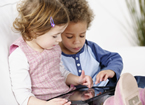 Flipping the Bit: Reintroducing Children to Technology as a Creative Medium旧事新谈:向儿童重新引荐技术,以技术作为创意媒介비트 뒤집기: 아동을 위한 창의적 매체로서의 기술 활용Virando o Bit: Reapresentando a tecnologia para as crianças como mídia criativaビット操作でプラスに切り替え:テクノロジーを創造的なメディアとして子供たちに改めて紹介するJuego de bits: Cómo reintroducir los niños a la tecnología como un medio creativo"/>
Technology can play many roles. It can be a partner, performer, or provider, helping children create experiences that shape their environment and their own development. 技术可以扮演很多角色。它可以作为伙伴、演员或提供者,帮助孩子创造出塑造其环境和引导自身发展的体验。기술은 수많은 역할을 할 수 있습니다. 동반자도 될 수 있고, 수행자도 될 수 있고 공급자도 될 수 있습니다. 그래서 아이들이 자신의 환경과 자기만의 발전을 구체화하는 경험을 창출하는 데 도움을 줄 수 있습니다. A tecnologia pode exercer muitos papeis. Ela pode ser uma parceira, atora ou provedora, ajudando as crianças a criarem experiências que moldam seus ambientes e seu próprio desenvolvimento.テクノロジーはさまざまな役割を果たすことができ、子供たちが自らを取り巻く環境や自身の発達を方向付ける体験を作り出す手助けをするための、パートナーや、パフォーマー、プロバイダーとなり得る。 La tecnología puede desempeñar muchos roles. Puede ser un socio, un intérprete o un proveedor, y ayudar a los niños a crear experiencias que le darán forma al entorno y a su propio desarrollo. [Read More阅读详情자세히 읽기Leia mais続きを読むLeer más]
Testing by Teaching: Peer Tutoring, a Usability Evaluation Method for Children同伴辅导:寓测于教的儿童可用性评估方法가르침을 통한 테스트: 또래 교사, 어린이를 위한 사용성 평가법Testar ensinando: aprendizagem entre iguais, um método de avaliação de usabilidade para crianças教えることでテストを行う:友達同士で指導 – 子どもを対象とするユーザビリティ評価法Tests a través de la Enseñanza: Tutoría Entre Pares, un Método de Evaluación de Usabilidad para Niños
 Testing by Teaching: Peer Tutoring, a Usability Evaluation Method for Children同伴辅导:寓测于教的儿童可用性评估方法가르침을 통한 테스트: 또래 교사, 어린이를 위한 사용성 평가법Testar ensinando: aprendizagem entre iguais, um método de avaliação de usabilidade para crianças教えることでテストを行う:友達同士で指導 – 子どもを対象とするユーザビリティ評価法Tests a través de la Enseñanza: Tutoría Entre Pares, un Método de Evaluación de Usabilidad para Niños"/>
Peer Tutoring helps engage and encourage children during usability testing. The social context makes the test more natural, resulting in richer findings.同伴辅导是 LEGO 集团已经在进行儿童可用性测试中成功使用的方法。在同伴辅导中,一名儿童充当辅导员,用自己的语言向其朋友介绍一款数字产品。또래 교사(Peer Tutoring)는 어린이와 함께 사용성 평가를 할 때 LEGO 그룹이 성공적으로 사용한 방법입니다. 또래 교사 방법을 통해 한 아이가 선생님 역할을 하며 그 아이 고유의 단어로 디지털 제품을 친구에게 설명합니다.A tutoria entre pares ajuda a envolver e estimular as crianças durante o teste de usabilidade. O contexto social torna o teste mais natural, resultando em descobertas mais ricas.ル機器について説明を行う。ある子どもが別の子どもに製品について教え、教えられた方の子どもは、教えられながら製品を使用し、観察者はそこから子どもたちがどのように製品を認識し、使用するのかという点について貴重な情報を得る。La tutoría entre pares ayuda a la participación y estimulación de los niños durante los tests de usabilidad. El contexto social hace que el test sea más natural, con lo cual los resultados son más significativos. [Read More阅读详情자세히 읽기Leia mais続きを読むLeer más]
Electric Racer to Promote Literacy: A Game for Two Inter-Generational Players电动赛车促进扫盲:两代玩家之间的游戏読み書きを推奨する電子レーサー:二世代間プレーヤーのためのゲーム
This study indicated that educational gameplay benefited from clarity around players’ roles, enabling parents’ participation, furthering the learning process for the child players. 电动赛车 是一个需要两位玩家一起来玩的可下载游戏,旨在让儿童和父母一起玩游戏。在开发过程的每个阶段,我们的跨学科团队都将主要精力放在游戏设计方面,力图通过父母和儿童同时玩游戏,来实现最大程度促进儿童学习的效果電子レーサーは2人プレイ用のダウンロード可能なゲームで、子どもと親が一緒にプレイできるようデザインされている。デザインの各ステージで、学際的なチームが、親子が同時にプレイすることを通じて子どもの学習活動が最大化するようなデザインを行った。 [Read More阅读详情자세히 읽기Leia mais続きを読むLeer más]
What’s News: Mommy, Can I Play with Your iPhone?
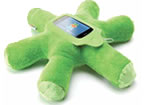 What’s News: Mommy, Can I Play with Your iPhone?"/>
The Woogie, a stuffed animal into which you can insert your iPhone, helps childproof your phone, however parents must monitor the content their children view. [Read More阅读详情자세히 읽기Leia mais続きを読むLeer más]
MESS Days: Working with Children to Design and Deliver Worthwhile Mobile ExperiencesMESS 日 (Mad Evaluation Sessions with Schoolchildren -与儿童合作创意评价):与儿童合作一起设计和提供有价值的移动体验MESSデー:価値ある携帯エクスペリエンスをデザインして届けるための子ども達との共同作業
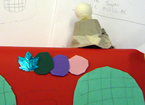 MESS Days: Working with Children to Design and Deliver Worthwhile Mobile ExperiencesMESS 日 (Mad Evaluation Sessions with Schoolchildren -与儿童合作创意评价):与儿童合作一起设计和提供有价值的移动体验MESSデー:価値ある携帯エクスペリエンスをデザインして届けるための子ども達との共同作業"/>
Designing with children adds a new dimension to user experience design and usability testing. Our understanding in how children can best contribute is still developing. [Read More阅读详情자세히 읽기Leia mais続きを読むLeer más]
Designing for Children: Supporting Positive Youth Development through Social Media针对儿童的设计:通过社交媒体支持青少年正面发展子どものためにデザインする:ソーシャルメディアを通じてポジティブな青少年育成を支援
 Designing for Children: Supporting Positive Youth Development through Social Media针对儿童的设计:通过社交媒体支持青少年正面发展子どものためにデザインする:ソーシャルメディアを通じてポジティブな青少年育成を支援"/>
Positive Technological Development aims to assist children in bettering their world through improving their technological literacy. [Read More阅读详情자세히 읽기Leia mais続きを読むLeer más]
Testing by Minors: Risk Prevention for UX Pros未成年人测试:用户体验 (UX) 专业人员风险防范未成年によるテスティング:UXのプロのためのリスク回避
When conducting testing with children, full disclosure and reasonable procedures are your best defense against potential legal complications. [Read More阅读详情자세히 읽기Leia mais続きを読むLeer más]
You Need an Outlet and a Browser: How Children Understand and Use the Internet您需要电源插座和浏览器:儿童如何理解和使用互联网:アウトレットとブラウザが必要:子どもたちはインターネットをどのように理解し、使用しているか
 You Need an Outlet and a Browser: How Children Understand and Use the Internet您需要电源插座和浏览器:儿童如何理解和使用互联网:アウトレットとブラウザが必要:子どもたちはインターネットをどのように理解し、使用しているか"/>
Children are not the most effective Web users and more research is needed to explore children’s mental models related to Internet use. [Read More阅读详情자세히 읽기Leia mais続きを読むLeer más]
Looking Closely at e-Learning: Vision Research Reveals Ways to Improve Children’s Experiences密切观察在线学习:视觉研究揭示提高儿童体验的方式eラーニングの観察:視覚研究が教える子どものエクスペリエンスを向上させるための方法
 Looking Closely at e-Learning: Vision Research Reveals Ways to Improve Children’s Experiences密切观察在线学习:视觉研究揭示提高儿童体验的方式eラーニングの観察:視覚研究が教える子どものエクスペリエンスを向上させるための方法"/>
Research on the effects of children’s long-term computer use is extremely limited; there remain key research questions that need to be answered. [Read More阅读详情자세히 읽기Leia mais続きを読むLeer más]
The Story Behind the One Laptop per Child PC: An Inteview with Yves Béhar每个儿童一台笔记本电脑 (One Laptop per Child) 背后的故事:Yves Béhar访谈录 采访者:UX MagazineOLPCパソコン‐「ひとりの子どもにひとつのノートパソコン」という話の真相:Yves Béharとのインタビュー UX Magazineによるインタビュー:
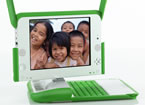 The Story Behind the One Laptop per Child PC: An Inteview with Yves Béhar每个儿童一台笔记本电脑 (One Laptop per Child) 背后的故事:Yves Béhar访谈录 采访者:UX MagazineOLPCパソコン‐「ひとりの子どもにひとつのノートパソコン」という話の真相:Yves Béharとのインタビュー UX Magazineによるインタビュー: "/>
Yves Béhar is the designer behind the One Laptop per Child Personal Computer (OLPC). He is interviewed by User Experience guest editor Cynthia Kamishlian. [Read More阅读详情자세히 읽기Leia mais続きを読むLeer más]
Designing for Children with ADHD: The Search for Guidelines for Non-Experts专为患小儿多动症的儿童量身打造:非专家指导原则搜索注意欠陥多動性障害の子どものためのデザイン:非専門家向けのガイドラインを探索
 Designing
for Children
with ADHD: The Search for Guidelines for Non-Experts专为患小儿多动症的儿童量身打造:非专家指导原则搜索注意欠陥多動性障害の子どものためのデザイン:非専門家向けのガイドラインを探索"/>
Designing
for Children
with ADHD: The Search for Guidelines for Non-Experts专为患小儿多动症的儿童量身打造:非专家指导原则搜索注意欠陥多動性障害の子どものためのデザイン:非専門家向けのガイドラインを探索"/>
Expert designers sensitive to established usability guidelines should be capable of designing software that is suitable for both ADHD and non-ADHD children. [Read More阅读详情자세히 읽기Leia mais続きを読むLeer más]
Kidsteam: Co-designing Children’s Technologies with ChildrenKidsteam:与儿童共同设计适合他们的技术キッドストリーム:子ども向けのデザインを子どもと共にデザイン
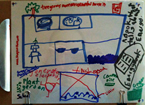 Kidsteam: Co-designing Children’s Technologies with ChildrenKidsteam:与儿童共同设计适合他们的技术キッドストリーム:子ども向けのデザインを子どもと共にデザイン"/>
Adults and children work together as part of Kidsteam to design new technologies for children using a low-tech prototyping experience. [Read More阅读详情자세히 읽기Leia mais続きを読むLeer más]
Keep It Simple. At First: Designing Game-Based Tools for Youth一开始便遵循简单原则。为年轻人设计游戏型工具シンプルに。最初は。若者向けのゲームベースのツールデザイン
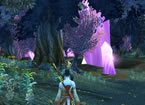 Keep It Simple.
At First: Designing Game-Based
Tools for Youth一开始便遵循简单原则。为年轻人设计游戏型工具シンプルに。最初は。若者向けのゲームベースのツールデザイン"/>
Keep It Simple.
At First: Designing Game-Based
Tools for Youth一开始便遵循简单原则。为年轻人设计游戏型工具シンプルに。最初は。若者向けのゲームベースのツールデザイン"/>
Research with adolescent World of Warcraft players indicated design strategies that will help make Massive Multiplayer Online Game more accessible for individuals of all ages. [Read More阅读详情자세히 읽기Leia mais続きを読むLeer más]
Designing Technologies for Marginalized Children
Information and communication technologies provide great opportunities and challenges for marginalized children both in developed and developing regions. [Read More阅读详情자세히 읽기Leia mais続きを読むLeer más]
Editor’s Note: Combining Children, Technology, and Usability
 Editor’s Note: Combining Children, Technology, and Usability"/>
This issue addresses our understanding and insights into how children interact with technology and how usability professionals can include children in the design process. [Read More阅读详情자세히 읽기Leia mais続きを読むLeer más]
Superphone to the Rescue!
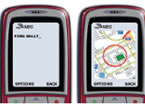 Superphone to the Rescue!"/>
Cell phones with kid finders and one button emergency calls. Music on a memory stick. [Read More阅读详情자세히 읽기Leia mais続きを読むLeer más]
The First Issue (Issue 1.1)
 The First Issue (Issue 1.1)"/>
The first issue of User Experience Magazine. The lead article is on strategic usability. [Read More阅读详情자세히 읽기Leia mais続きを読むLeer más]
