
Articles by Aaron Marcus
 Aaron Marcus, principal, Aaron Marcus and Associates, Berkeley, California, www.AMandA.com; Editor-in-Chief Emeritus, User Experience; Editor, Information Design Journal; member, ICOGRADA Design Hall of Fame (2000); Fellow, AIGA (2007); member, CHI Academy (2009); author of 16 books and 300 articles; researches/designs mobile user interfaces, information visualization, persuasion design, and cross-cultural communication.
[:en]Design for Innovation (Book Review)[:zh]创新设计(书评)[:KO]혁신을 위한 디자인(서평)[:pt]Design para inovação (Resenha)[:ja]イノベーションのためのデザイン(書評)[:es]Diseño para la innovación (reseña de libro)[:]

[:en]A review of 101 Design Methods: A Structured Approach for Driving Innovation in Your Organization by Vijay Kumar. A guidebook about innovation and design thinking techniques.[:zh]对 Vijay Kumar 所著的《101 Design Methods: A Structured Approach for Driving Innovation in Your Organization》(101 种设计方法:可推动组织创新的一种结构化方法)的评论。本书提供了关于创新和设计思维的指南。[:KO]Vijay Kumar 저 101 Design Methods: A Structured Approach for Driving Innovation in Your Organization(101가지의 디자인 방법: 조직 내 혁신 추진을 위한 구조화된 접근법)에 대한 서평 혁신과 디자인 사고 기법에 관한 안내서[:pt]Uma análise de 101 Design Methods: A Structured Approach for Driving Innovation in Your Organization (Uma abordagem para promover inovação em sua empresa) de Vijay Kumar. Um guia sobre inovação e técnicas de design thinking.[:ja]Vijay Kumar 著 『101 Design Methods:A Structured Approach for Driving Innovation in Your Organization』(101 のデザインメソッド:あなたの組織で革新を推し進めるための、体系的アプローチ)の書評。本書は革新とデザイン思考のテクニックについての手引書である。[:es]Reseña de: 101 Design Methods: A Structured Approach for Driving Innovation in Your Organization (101 métodos de diseño: Un enfoque estructurado para impulsar la innovación en su organización) de Vijay Kumar. Una guía sobre las técnicas de pensamiento de diseño e innovación.[:] [Read More阅读详情자세히 읽기Leia mais続きを読むLeer más]
Underground Diagrams (Book Review)地铁图纸(书评)지하철 노선도(서평)Mapas subterrâneos (resenha de livro)地下鉄の路線図(ブックレビュー)Diagramas subterráneos (reseña de libro)
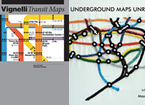 Underground Diagrams (Book Review)地铁图纸(书评)지하철 노선도(서평)Mapas subterrâneos (resenha de livro)地下鉄の路線図(ブックレビュー)Diagramas subterráneos (reseña de libro)"/>
A review of Underground Maps Unravelled and Vignelli Transit Maps. An analysis of the design issues that challenge today’s professionals. 关于《地铁地图详解》(Underground Maps Unravelled) 和《维格纳利交通地图》(Vignelli Transit Maps) 的书评。对当今专业人员面临的设计问题的分析。Underground Maps Unravelled 와 Vignelli Transit Maps 에관한서평. Uma resenha dos livros Underground Maps Unravelled e Vignelli Transit Maps. Uma análise dos problemas de design que desafiam os profissionais de hoje『Underground Maps Unravelled 』と『Vignelli Transit Maps』、今日の専門家たちを挑発するデザイン上の問題を分析。 Una reseña de los libros Underground Maps Unravelled y Vignelli Transit Maps. Un análisis de los aspectos del diseño que generan un desafío para los profesionales de hoy. [Read More阅读详情자세히 읽기Leia mais続きを読むLeer más]
On the Edge: Beyond UX in Western Science Fiction边缘之上: 超越西方科幻作品中的用户体验경계에서: 서양의 공상과학 속의 UX를 넘어No Limite: Além da Experiência do Usuário na Ficção Científica do Faroesteオンザエッジ:西洋のSFにおけるUXのその先Al Límite: Más Allá de UX en la Ciencia Ficción Occidental
Asian sci-fi is inspired by classic Western novels as well as native literary traditions. Chinese, Indian, and Japanese approaches reveal creations based on different cultures.亚洲科幻作品受经典西方小说启发,同时其灵感也来自于本土文学传统。中国、印度和日本的创作手法揭示了基于不同文化的创造力。아시아의 SF는 토속적 문학 전통뿐만 아니라 전형적인 서양소설에서도 영감을 받았습니다. 중국, 인도, 일본식 접근은 서로 다른 문화를 바탕으로 한 창작물을 보여줍니다.A ficção científica asiática é inspirada pelos clássicos romances de faroeste bem como por tradições literárias nativas. Abordagens chinesas, indianas e japonesas revelam criações baseadas em diferentes culturas.アジアのSFは、古典的な西洋の小説や自国の文学的伝統の影響を受けている。中国、インド、日本でのアプローチを見ると、異なる文化に基づいて創作されていることが分かる。La ciencia ficción asiática está inspirada en las novelas occidentales clásicas y en las tradiciones literarias nativas. Los enfoques chino, indio y japonés revelan creaciones basadas en diferentes culturas. [Read More阅读详情자세히 읽기Leia mais続きを読むLeer más]
Two Museums of Future UX Design (Book Review)两个未来用户体验设计展览馆(书评)Two Museums of Future UX Design (서평)Dois Museus do Projeto da Experiência do Usuário do Futuro (Análise de Livro)未来のUXデザインを収めた2つの博物館(書籍レビュー)Dos Museos sobre el Diseño de UX del Futuro (reseña de libros)
 Two Museums of Future UX Design (Book Review)两个未来用户体验设计展览馆(书评)Two Museums of Future UX Design (서평)Dois Museus do Projeto da Experiência do Usuário do Futuro (Análise de Livro)未来のUXデザインを収めた2つの博物館(書籍レビュー)Dos Museos sobre el Diseño de UX del Futuro (reseña de libros)"/>
A review of Art of Imagination: 20th Century Visions of Science Fiction, Horror, and Fantasy by Frank M. Robinson, Robert Weinberg and Randy Broecker and Future Toys: Robots, Astronauts, Spaceships, Ray Guns by Antoni Emchowicz and Paul Nunnelely两本书的书评: 《想象的艺术 ——20世纪的科学幻想、恐怖和幻想》作者:Frank M.Robinson,Frank Robinson、Robert Weinberg 和 Randy Broecker 2002年由收藏家出版社出版 《未来玩具 ——机器人、宇航员、宇宙飞船、激光枪》 作者:Antoni Emchowicz 和 Paul Nunnelely 1999年由新卡文迪什书刊出版社出版Uma análise de dois livros: Art of Imagination [A Arte da Imaginação]: 20th Century Visions of Science Fiction, Horror, and Fantasy [Visões do Século 20 sobre Ficção Científica, Horror e Fantasia]. Future Toys [Brinquedos do Futuro]: Robots, Astronauts, Spaceships, Ray Guns [Robôs, Astrounautas, Naves Espaciais, Pistolas de Raios Laser] 書籍レビュー(2冊):『Art of Imagination:20th Century Visions of Science Fiction, Horror, and Fantasy Introduction』Frank M.Robinson、Frank Robinson、Robert Weinberg、Randy Broecker共著 『Future Toys:Robots, Astronauts, Spaceships, Ray Guns』 Antoni Emchowicz、Paul Nunnelely共著 Reseña de dos libros: Art of Imagination: 20th Century Visions of Science Fiction, Horror, and Fantasy Introducción: Frank M. Robinson, con Frank Robinson, Robert Weinberg y Randy Broecker. Future Toys: Robots, Astronauts, Spaceships, Ray Guns por Antoni Emchowicz y Paul Nunnelely [Read More阅读详情자세히 읽기Leia mais続きを読むLeer más]
Diagramming: Making the Invisible Visible (Book Review)图表:化无形为有形 (书评)도식화하기: 보이지 않는 것을 가시화하는 (서평)Diagramação: Tornando o visível invisível (Crítica do livro)ダイアグラム:見えないものを見えるようにする (書籍レビュー)Diseño de Diagramas: Haciendo Visible lo Invisible (Reseña)
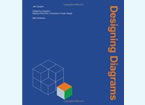 Diagramming: Making the Invisible Visible
(Book Review)图表:化无形为有形 (书评)도식화하기: 보이지 않는 것을 가시화하는 (서평)Diagramação: Tornando o visível invisível (Crítica do livro)ダイアグラム:見えないものを見えるようにする (書籍レビュー)Diseño de Diagramas: Haciendo Visible lo Invisible (Reseña)"/>
Diagramming: Making the Invisible Visible
(Book Review)图表:化无形为有形 (书评)도식화하기: 보이지 않는 것을 가시화하는 (서평)Diagramação: Tornando o visível invisível (Crítica do livro)ダイアグラム:見えないものを見えるようにする (書籍レビュー)Diseño de Diagramas: Haciendo Visible lo Invisible (Reseña)"/>
A review of Designing Diagrams: Making Information Accessible through Design by Jan Gauguin.
One recent and five classic books about diagramming, the visual depiction of structures and processes that help us to understand and to interact with complex information.A review of Designing Diagrams: Making Information Accessible through Design by Jan Gauguin.
One recent and five classic books about diagramming, the visual depiction of structures and processes that help us to understand and to interact with complex information.A review of Designing Diagrams: Making Information Accessible through Design by Jan Gauguin.
One recent and five classic books about diagramming, the visual depiction of structures and processes that help us to understand and to interact with complex information.Uma crítica de Projetando diagramas: tornando informações acessíveis por meio do design por Jan GauguinA review of Designing Diagrams: Making Information Accessible through Design by Jan Gauguin.
One recent and five classic books about diagramming, the visual depiction of structures and processes that help us to understand and to interact with complex information.Una reseña de Designing Diagrams: Making Information Accessible through Design (Diseño de Diagramas: Información Accesible a través del Diseño) por Jan Gauguin [Read More阅读详情자세히 읽기Leia mais続きを読むLeer más]
Back to the Future: UX in the Past 100 Years of Science Fiction回到未来:过去100年的科幻小说中的用户体验미래로 돌아가기: 지난 100년간의 공상 과학에서의 UXDe volta para o futuro: a experiência do usuário nos últimos 100 anos de ficção científicaバック・トゥ・ザ・フューチャー:過去100年のSFにおけるUXRegreso al Futuro: UX en los Últimos 100 Años de Ciencia Ficción
 Back to the Future: UX in the Past 100 Years of Science Fiction回到未来:过去100年的科幻小说中的用户体验미래로 돌아가기: 지난 100년간의 공상 과학에서의 UXDe volta para o futuro: a experiência do usuário nos últimos 100 anos de ficção científicaバック・トゥ・ザ・フューチャー:過去100年のSFにおけるUXRegreso al Futuro: UX en los Últimos 100 Años de Ciencia Ficción"/>
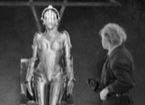
If you want to look into the future of UX design, take a close look at the science fiction movies of the last 100 years. If you want to look into the future of UX design, take a close look at the science fiction movies of the last 100 years. If you want to look into the future of UX design, take a close look at the science fiction movies of the last 100 years. Se desejar ver o futuro do design de experiência do usuário, veja atentamente os filmes de ficção científica dos últimos 100 anos.If you want to look into the future of UX design, take a close look at the science fiction movies of the last 100 years. Si quiere adentrarse en el futuro del diseño de UX, observe con más atención las películas de ciencia ficción de los últimos 100 años. [Read More阅读详情자세히 읽기Leia mais続きを読むLeer más]
The Money Machine“钱”管家머니 머신A máquina de dinheiroマネーマシーンLa Máquina del Dinero
 The Money Machine“钱”管家머니 머신A máquina de dinheiroマネーマシーンLa Máquina del Dinero"/>
User-centered design. persusive theory, and mobile technology assist in designing a financial application that promotes positive change in behaviors.“钱”管家项目研究、分析、设计并评估一些有效的途径来帮助“婴儿潮”中出生的人们改进对于财富的管理。머니 머신 프로젝트는 “베이비 붐 세대”를 위한 자산 관리 태도를 향상하기 위한 효과적인 방법을 연구, 분석, 디자인 그리고 평가합니다.Projeto centrado no usuário, teoria persuasiva e tecnologia móvel ajudam a projetar um aplicativo financeiro que promove mudança positiva de comportamentos.マネーマシーン(Money Machine)プロジェクトは、「団塊世代」の資産管理に関する行動様式を改善する強力な方法について、調査、分析、デザイン、評価を行った。El diseño centrado en el usuario, la teoría de la persuasión y la tecnología móvil interactúan en el diseño de una aplicación financiera que promueve los cambios de conducta positivos. [Read More阅读详情자세히 읽기Leia mais続きを読むLeer más]
Graphic Design: Two Views (Book Review)图形设计:两种观点 (书评)그래픽 디자인: 두 가지 시각 (서평)Design gráfico: duas visões (Crítica do livro)グラフィックデザイン:ふたつの見解 (書籍レビュー)Diseño Gráfico: Dos Visiones (Reseña)
 Graphic Design: Two Views
(Book Review)图形设计:两种观点 (书评)그래픽 디자인: 두 가지 시각 (서평)Design gráfico: duas visões (Crítica do livro)グラフィックデザイン:ふたつの見解 (書籍レビュー)Diseño Gráfico: Dos Visiones (Reseña)"/>
Graphic Design: Two Views
(Book Review)图形设计:两种观点 (书评)그래픽 디자인: 두 가지 시각 (서평)Design gráfico: duas visões (Crítica do livro)グラフィックデザイン:ふたつの見解 (書籍レビュー)Diseño Gráfico: Dos Visiones (Reseña)"/>
A review of Graphic Design: A New History by Stephen J. Eskilson and Graphic Design Solutions by Robin Landa
Two books that make a significant contribution to understanding the history, breadth, and depth of the profession of graphic design.A review of Graphic Design: A New History by Stephen J. Eskilson and Graphic Design Solutions by Robin LandaA review of Graphic Design: A New History by Stephen J. Eskilson and Graphic Design Solutions by Robin LandaUma crítica de Design gráfico: uma nova história por Stephen J. Eskilson e Soluções de design gráfico por Robin LandaA review of Graphic Design: A New History by Stephen J. Eskilson and Graphic Design Solutions by Robin LandaUna reseña de Graphic Design: A New History (Diseño Gráfico: Una Nueva Historia) por Stephen J. Eskilson y Graphic Design Solutions (Soluciones de Diseño Gráfico) por Robin Landa [Read More阅读详情자세히 읽기Leia mais続きを読むLeer más]
On the Edge: Gaming the User Experience
Game design often seems to turn usability principles upside down: traditional, information-oriented design values the standards of usability, usefulness, and appeal, but game developers start from the other direction and work back. [Read More阅读详情자세히 읽기Leia mais続きを読むLeer más]
On the Edge: Branding the User Experience
Branding establishes and maintains people’s identification with and “loyalty” to people, companies, products, and services and likely this focus on branding may increase in prevalence. [Read More阅读详情자세히 읽기Leia mais続きを読むLeer más]
UX Storytelling (Book Review)
 UX Storytelling (Book Review)"/>
A review of Storytelling for User Experience by Whitney Quesenbery & Kevin Brooks and UX Storytellers: Connecting the Dots Edited by Jan Jursa, Stephen Köver, & Jutta Grünewald. A [Read More阅读详情자세히 읽기Leia mais続きを読むLeer más]
Book Review: Do’s and Don’ts of Information Graphics
 Book Review: Do’s and Don’ts of Information Graphics"/>
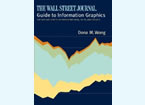
A review of The Wall Street Guide to Information Graphics: The Do's and Don'ts of Presenting Data, Facts, and Figures by Dona M. Wong. Guide to creating information graphics that are usable, useful, and appealing, especially in the business and advertising world. [Read More阅读详情자세히 읽기Leia mais続きを読むLeer más]
Shaker Design: Out of this World (Book Review)
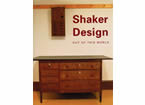 Shaker Design: Out of this World (Book Review)"/>
A review of several books on the Shakers, noting the ways in which they pioneered what we would call today “user-centered design.” [Read More阅读详情자세히 읽기Leia mais続きを読むLeer más]
Analyze This: A Task Analysis Primer for Web Design
 Analyze This: A Task Analysis Primer for Web Design"/>
A deep dive into task analysis: how it is used, and why, too often, we ignore one of the most helpful tools in our toolboxes. [Read More阅读详情자세히 읽기Leia mais続きを読むLeer más]
User Experience: What? So What? What Now?
 User Experience: What? So What? What Now?"/>
“User Experience” is a phrase that seems to be catching on in many places. But what does it mean? [Read More阅读详情자세히 읽기Leia mais続きを読むLeer más]
Book Review: Providing Access for All
 Book Review: Providing Access for All "/>
This compendium provides intellectual tools for those active in changing the world by making products and services more available to all who could benefit from them. [Read More阅读详情자세히 읽기Leia mais続きを読むLeer más]
Editor’s Note: User Experience Development: What? So What? Now What?
In this issue, we seek to integrate the worlds of UX and software development in order to create better products, services, and user experiences. [Read More阅读详情자세히 읽기Leia mais続きを読むLeer más]
The Green Machine: Going Green at Home
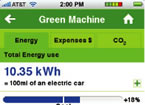 The Green Machine: Going Green at Home "/>
The Green Machine seeks to create a prototype to test whether it makes people reduce their energy consumption, holding significant implications on the use of Smart Grid software. [Read More阅读详情자세히 읽기Leia mais続きを読むLeer más]
Editor’s Note: Greening the User Experience, and Goodbye
Editor’s Note: Greening the User Experience, and Goodbye"/>
Achieving sustainability, reducing one’s carbon footprint, “going green,” whatever one might call it, has gone from being a peripheral concern supported by a relative few—but dedicated—group of people, to a mainstream issue, talked, videoed, printed, blogged, and Twittered about among the masses on a daily basis…thanks in part to those earlier savants and prophets, but […] [Read More阅读详情자세히 읽기Leia mais続きを読むLeer más]
Information Graphics: An Eclectic Celebration
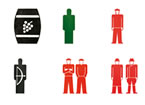 Information Graphics: An Eclectic Celebration "/>
Guidebooks on effective visual communication are frequently published for those who have not been exposed to information design and visualization, often obscuring similar publications of decades past. [Read More阅读详情자세히 읽기Leia mais続きを読むLeer más]
The Classy Classic: Designing the User Interface (Book Review)
 The Classy Classic: Designing the User Interface (Book Review) "/>
This updated edition of a text about designing user-interfaces is testament to the evolution of these and other related topics the past two decades. [Read More阅读详情자세히 읽기Leia mais続きを読むLeer más]
Editor’s Note: A Gourmet Meal of Content, Context, and Analysis Awaits You
The worldwide economy is suffering greatly. Consequently, many corporate, government, educational, and organizational budgets have become diminished. That situation always affects new product development and, with it, the decisions to undertake a variety of usability and user-experience activities—from ethnographic observations, contextual and task analyses, to usability tests, remote testing, and many other usability evaluation and […] [Read More阅读详情자세히 읽기Leia mais続きを読むLeer más]
Formally Speaking: Two Guidebooks about Designing Forms
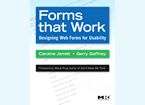 Formally Speaking: Two Guidebooks about Designing Forms"/>
Two books about designing forms, similar in subject matter but contain different approaches to defining problems, providing solutions, and presenting their approach in book design storytelling. [Read More阅读详情자세히 읽기Leia mais続きを読むLeer más]
Editor’s Note: Forms and Usability
This issue of UX explores forms, one of the most ubiquitous but under-noticed areas of usability among technology-oriented interactive communication. Where would we be if we could not log on to our computers or email systems, order products or services, search for data, and compare the results? In some cases, these displays of text, graphics, […] [Read More阅读详情자세히 읽기Leia mais続きを読むLeer más]
Editor’s Note: Platinum Perspectives on Usability and User Experience
The role of seniors have important implications for the policies and focus of attention for our professional organizations and daily life. [Read More阅读详情자세히 읽기Leia mais続きを読むLeer más]
Editor’s Note: Mobility, Usability, and Transportation: Design a Go-Go
Editor’s Note: Mobility, Usability, and Transportation: Design a Go-Go "/>
This issue explores how transportation impacts culture and society and to examine how people interact with vehicles, infrastructure, technologies, security, and finding their way through an environment. [Read More阅读详情자세히 읽기Leia mais続きを読むLeer más]
Editor’s Note: Think Locally, Test Remotely
Remote testing, the special concern of this issue, is increasingly important to usability professionals. [Read More阅读详情자세히 읽기Leia mais続きを読むLeer más]
Editor’s Note: A Blurring of Boundaries
One hot topic within the user-experience and usability professions, as UX readers understand it, is how we relate to the worlds of marketing, market research, marketing communications, and branding. Almost all of our sister/brother professions—like industrial/product design, user-interface/interaction design, graphic/visual design, and ethnography/social research—have faced a growing blurring of boundaries of profession-definitions, principles, and techniques. […] [Read More阅读详情자세히 읽기Leia mais続きを読むLeer más]
More than Skin Deep (Book Review)
 More than Skin Deep (Book Review) "/>
This book’s focus on accessibility during the entire user-centered design process integrates accessibility throughout product development and provides readers with a readable introduction to incorporating these concerns into daily professional practice. [Read More阅读详情자세히 읽기Leia mais続きを読むLeer más]
Editor’s Note: The Greening of World Usability
This issue of User Experience introduces 2008 with a rich set of articles from a wide range of real-world perspectives. Rick Starbuck, Washington Mutual Bank, USA, shows us how user-centered design achieves bottom-line business success. Jerrod Larson, University of Washington, USA, analyzes why some companies make poor decisions about software usability. Anu Kankainen, Idean, Finland, […] [Read More阅读详情자세히 읽기Leia mais続きを読むLeer más]
Editor’s Note: Usability and Medical Systems
This issue of User Experience seeks to drive home the importance of usability, usefulness, and appeal—the full range of user-experience development—for medical systems and for healthcare delivery in general. [Read More阅读详情자세히 읽기Leia mais続きを読むLeer más]
What a Character! (Book Review)
 What a Character! (Book Review)"/>
A review of Characters of the Information and Communication Industry by Richard Bellaver.. An amazing, tumultuous, and awe-inspiring journey that begins with Gutenberg and continues onward to the present day, 500 years later. [Read More阅读详情자세히 읽기Leia mais続きを読むLeer más]
Editor’s Note: Coming Soon to a Screen Near You
This issue’s theme focuses on usability and user-experience issues of interactive and mobile video, informing us about many new technology developments that make headlines in our daily news media. We all have our childhood experiences of viewing television and of using the phone. What happens when these two media are combined, and the experience becomes […] [Read More阅读详情자세히 읽기Leia mais続きを読むLeer más]
Editor’s Note: Making Ourselves Usable, Useful, and Appealing
We know that our profession is concerned with making products and services more usable, useful, and appealing so that end-users have a better user experience. The same can be said about what we ourselves need to accomplish within our own business environment. We need to learn how to make sure that our clients have a […] [Read More阅读详情자세히 읽기Leia mais続きを読むLeer más]
Book Review: It’s Show Time!
 Book Review: It’s Show Time! "/>
These guidebooks are for those who have not been exposed to the philosophy, principles, and techniques of information design and information visualization. [Read More阅读详情자세히 읽기Leia mais続きを読むLeer más]
Editor’s Note: One Day around the World: Good Signs and Future Challenges
In many countries, newspapers and popular magazines report on the latest products and services to reach the marketplace. In these publications, reporters and reviewers comment on whatever they believe promotes sales, marketplace success, and consumer preference. More so than in years past, however, they talk about user-centered design. This media focus mirrors corporate interest. Recently, […] [Read More阅读详情자세히 읽기Leia mais続きを読むLeer más]
With Access for Many, a New Way to Govern
Could the founders of the United States of America have envisioned what the Internet, telecommunications, and the PC enable in terms of government organization, publications, and the electoral process? Were they alive today, visionaries like Thomas Jefferson might have been keenly interested in technology that influences education and the electoral process, and Benjamin Franklin might […] [Read More阅读详情자세히 읽기Leia mais続きを読むLeer más]
Editor’s Note: Sonification: Its Time Has Arrived
This issue focuses on sonification. Some usability and user-experience professionals in medicine, health, music, video, the military, and other realms may consider information sonification and sound in the user experience a regular, typical area for consideration. For many other professionals however, sonification remains more exotic than quotidian, mysterious and elusive, even though sound is an […] [Read More阅读详情자세히 읽기Leia mais続きを読むLeer más]
Editor’s Note: Go East, Young Man or Woman
Having just completed my first year as editor-in-chief, my thoughts turn to the future, but in a special way—eastward—as the theme of this issue looks at usability in Asia. In the 19th century, J. B. Soule, in an Indiana newspaper editorial of 1851, urged entrepreneurial folks in the United States to head westward to seek […] [Read More阅读详情자세히 읽기Leia mais続きを読むLeer más]
